
In today's fast-paced manufacturing and service industries, efficient documentation is crucial for the success of any Six Sigma project. The ability to streamline documentation processes can significantly improve project outcomes, enhance data accuracy, and save valuable time and resources. However, managing documents across various stages of the DMAIC (Define, Measure, Analyze, Improve, Control) framework can be a complex task, often leading to inefficiencies and errors. This article explores a range of Six Sigma tools designed to address these challenges, offering practical solutions to enhance documentation management and ultimately drive better business results. From software solutions like Minitab and Statistica to project management methodologies promoted by the GE Lean Institute, we examine the most effective tools and strategies for streamlining documentation in Six Sigma projects.
- Choosing the Right Six Sigma Documentation Tools
- Digital Solutions for Six Sigma Project Records
- Streamlining Data Entry with Six Sigma Software
- Best Practices for Documenting Six Sigma Results
- Integrating Six Sigma Tools into Your Workflow
- Measuring Success: Tracking Documentation Efficiency
Choosing the Right Six Sigma Documentation Tools
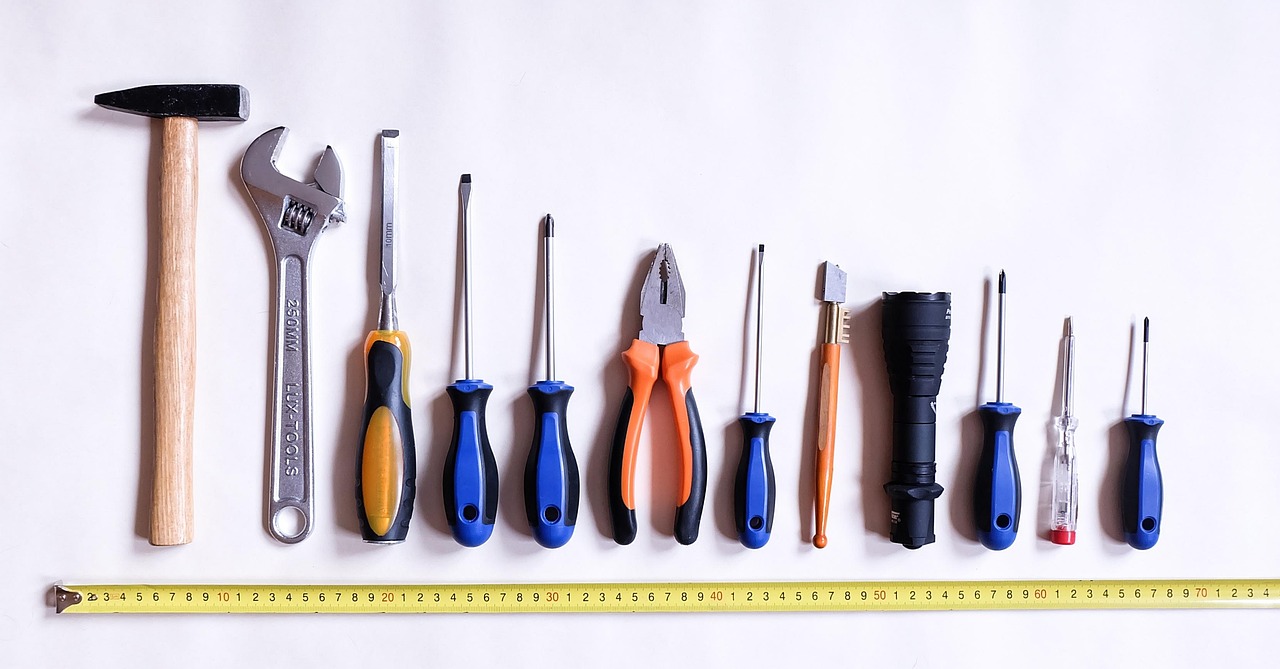
Choosing the right Six Sigma documentation tools is crucial for successful project execution and knowledge retention. Effective tools streamline data collection, analysis, and reporting, aligning with the eight steps of Six Sigma explained in our practical guide. As you progress through green belt certification preparation, understanding how to leverage these tools becomes essential for process optimization case studies pdf.
The market offers a wide array of options, from software platforms like Minitab and SPSS to data visualization tools such as Statistica and JMP. When selecting a tool, consider the specific needs of your project. If your focus is on data interpretation for quality control, tools with robust statistical functions and data visualization capabilities will be valuable. Similarly, for process mapping and reengineering, mind maps and value stream mapping techniques may be more suitable. We encourage you to explore process mapping templates free download available online, many of which are accessible through platforms that support continuous improvement frameworks comparison.
While cost is a factor, it shouldn't be the sole determinant. Evaluate the tool's ease of use, integration capabilities with existing systems, and the level of support offered by the provider. IBM Six Sigma Pricing and Global Six Sigma Cost Comparisons provide insights into the market rates, but remember, the best tool is one that fits your team's workflow seamlessly. Tools that offer data collection methods in Six Sigma align well with the DMAIC process, ensuring your team can capture and analyze data efficiently. Find us at how to choose right six sigma tool for practical advice tailored to your unique requirements.
The right Six Sigma documentation tool should empower your team to make data-driven decisions, reduce waste, and achieve continuous improvement. By carefully considering these factors, you'll be well-prepared to implement Six Sigma methodologies effectively, whether you're a seasoned professional or just beginning your green belt certification journey.
Digital Solutions for Six Sigma Project Records

In today's data-driven world, leveraging the right Six Sigma tools can significantly enhance the efficiency and effectiveness of project documentation. The traditional methods of manual record-keeping, often involving reams of paper and disorganized digital files, can hinder progress and lead to errors. This is where digital solutions step in, offering a streamlined approach to document management. By embracing these tools, Six Sigma projects can move away from the limitations of the lean vs six sigma difference and focus on process optimization.
One of the key benefits of digital tools is their ability to centralize and organize project data. Unlike the scattered nature of manual records, these platforms provide an unified repository for all documentation, ensuring that every team member has access to the latest information. A project manager using Minitab or JMP can easily track key performance indicators, analyze data, and generate reports in real-time, facilitating data-driven decision-making with Six Sigma. This level of accessibility and transparency is crucial for maintaining project momentum and identifying areas for improvement.
Many digital Six Sigma tools offer advanced features like automated data collection, integrated data visualization, and customizable reporting templates. These functionalities streamline data analysis, enabling teams to quickly identify root causes of issues and implement effective solutions. A manufacturer using SPSS or Statistica can automate the process of collecting and analyzing production data, leading to faster defect prevention strategies and improved overall quality. By integrating these tools into the Six Sigma project lifecycle, organizations can achieve a new level of agility and responsiveness, ultimately enhancing their ability to meet customer demands.
When selecting digital solutions, it's essential to consider the specific needs of your organization and project. Various platforms cater to different aspects of Six Sigma, from data analysis to project management. While some tools excel in advanced statistical analysis, others might offer robust process mapping and visualization capabilities. As you explore the market, look for resources like Six Sigma training courses online and Global Six Sigma cost comparisons to make an informed decision. Engaging with reputable providers, such as those offered by the American Society for Quality (ASQ), ensures that you're investing in tools that align with industry best practices and can support your long-term success in process optimization. Give us a call at data analysis tools six sigma to discuss how the right digital solutions can revolutionize your Six Sigma project documentation.
Streamlining Data Entry with Six Sigma Software

In today's data-driven world, efficient data entry and management are crucial for the success of any Six Sigma project. Six Sigma tools offer a suite of software solutions designed to streamline documentation, enhance data accuracy, and support the entire DMAIC (Define, Measure, Analyze, Improve, Control) process. These tools integrate seamlessly with statistical process control methods, enabling data analysts to extract meaningful insights from complex datasets.
Consider a manufacturing company aiming to reduce defects in its product line using Six Sigma. Traditional data entry methods can be time-consuming and prone to human error, leading to inaccurate root cause analysis. However, by leveraging specialized Six Sigma software, analysts can quickly input and organize data from various sources, such as production sensors and customer feedback forms. This real-time data visualization for Six Sigma allows teams to identify patterns and trends, enabling them to pinpoint the root causes of defects more efficiently. The software's ability to automate data collection and analysis significantly reduces the time required for the "Measure" phase of the eight steps of Six Sigma explained, allowing project teams to focus their efforts on implementing effective solutions.
These tools often include advanced data interpretation capabilities, ensuring that project managers and analysts can make informed decisions based on accurate data. JMP, a statistical software package, integrates well with Six Sigma methodologies, providing users with robust data analysis and visualization features. When selecting a Six Sigma tool, organizations should consider their specific needs, the size of their projects, and the level of customization required.
To maximize the benefits of Six Sigma tools, it's essential to invest in proper training. The American Society for Quality (ASQ) offers certification programs that teach individuals how to effectively utilize these tools within the Six Sigma framework. By understanding the software's capabilities and best practices, project teams can ensure that data entry and management are handled efficiently and accurately. Give us a call at data analysis tools six sigma to explore tailored software solutions and training programs that can take your Six Sigma projects to the next level.
Best Practices for Documenting Six Sigma Results

Effective documentation is crucial for the success and sustainability of any Six Sigma project. It serves as a permanent record of processes improved, data analyzed, and lessons learned. However, proper documentation can be challenging, especially for smaller businesses with limited resources. This is where the right Tools become indispensable.
A key best practice is to adopt a structured approach. Standardize the way data is collected, analyzed, and presented to ensure consistency and clarity. Using data analysis tools Six Sigma that offer pre-built templates for common processes like value stream mapping or root cause analysis can save time and reduce errors. These tools often include built-in quality control measures, facilitating data-driven decision making within the project and beyond. Consider tools that seamlessly integrate with existing project management software to streamline workflows and avoid duplication of efforts.
When implementing Six Sigma, it's important to measure success quantitatively and qualitatively. How to measure success in Six Sigma projects varies by industry and specific goals, but key indicators often include defect reduction rates, cycle time improvements, and customer satisfaction scores. Document these metrics alongside the process improvements they support for a comprehensive record. For small businesses, using Tools that are scalable, user-friendly, and affordable is crucial. Many platforms offer tiered pricing models to accommodate different team sizes and budgets, making world-class process mapping software reviews accessible to all.
Remember, successful Six Sigma implementation extends beyond project completion. The knowledge and insights gained must be effectively communicated and integrated into ongoing business processes. This ensures continuous improvement and prevents a return to previous, suboptimal practices. Consider creating a knowledge base or wiki within your organization to store documented findings, root cause analyses, and process flow diagrams. This resource can serve as a valuable reference for future projects and help train new team members in the Six Sigma methodology.
Integrating Six Sigma Tools into Your Workflow

Six Sigma projects rely on meticulous documentation to track progress, capture data, and drive continuous improvement. The right tools can significantly streamline this process, enabling teams to analyze root causes more efficiently, implement effective solutions, and ultimately, achieve better results. When considering Tools, it's essential to match your project's specific needs with the most suitable software and methodologies.
A comprehensive root cause analysis tools comparison is crucial before making any decisions. Tools like Minitab and SPSS offer robust statistical analysis capabilities, while platforms like JMP excel in data visualization and process mapping. Consider a manufacturing facility aiming to reduce defect rates. A root cause analysis tool that allows for easy data input from various sources, robust statistical testing, and intuitive data visualization can significantly expedite the root cause identification process. Once the root cause is pinpointed, Tools can guide the implementation of targeted solutions and help monitor their effectiveness.
Quality management systems implementation is another area where Tools shine. Software designed for Six Sigma projects can automate data collection, tracking, and reporting, reducing manual effort and potential human error. This streamlined approach ensures that quality control measures are consistently applied and data is accurately captured for analysis. Online resources, such as those offered by Coursera and Udemy, provide valuable Six Sigma training courses that can empower teams to effectively utilize these tools. The American Society for Quality (ASQ) offers courses on DMAIC methodologies and data analysis techniques, equipping individuals with the skills needed to maximize the benefits of Tools.
The best Tools are those that become seamlessly integrated into your workflow. Investing in user-friendly software and providing adequate training can lead to increased efficiency, improved data accuracy, and ultimately, more successful Six Sigma projects. Find us at best software for six sigma projects offers a range of options to meet diverse needs, ensuring that your team has the right tools to achieve remarkable results.
Measuring Success: Tracking Documentation Efficiency
In Six Sigma projects, meticulous documentation is crucial for tracking progress, identifying issues, and demonstrating value. However, simply creating documents isn't enough; it's equally important to measure the efficiency of this process. This involves not just the quantity of documentation but also its quality and timeliness. By implementing Tools to streamline documentation, teams can achieve significant improvements in defect reduction strategies in manufacturing, ultimately contributing to a successful root cause failure analysis method.
One of the most effective ways to gauge documentation efficiency is by examining the time and resources dedicated to creating, updating, and maintaining documents. Tools like Minitab and JMP offer data analysis capabilities that can help track document creation times, frequency of revisions, and the number of revisions per document. A manufacturing team using Minitab to analyze process data might also use it to record and analyze the time spent on creating and updating standard operating procedures (SOPs). This data can then be used to identify bottlenecks and inefficiencies in the documentation process.
Six Sigma software platforms often include features designed to automate and organize documentation. Using a project management software for Six Sigma, such as those offered by Coursera or Udemy, can facilitate the creation of centralized document repositories, streamline version control, and automate approval workflows. This not only reduces the time spent on administrative tasks but also ensures that all team members have access to the most up-to-date documentation.
To tracking efficiency, these tools can aid in identifying areas for improvement. Analyzing the frequency of defects linked to outdated or unclear documentation can highlight the need for better training or more user-friendly formats. Similarly, data on the impact of improved documentation on defect reduction rates can serve as compelling evidence for the success of Six Sigma initiatives, reinforcing the importance of efficient documentation practices in manufacturing environments.
Frequently Asked Questions About tools to streamline documentation in six sigma projects
What are the best tools for digitizing and organizing Six Sigma project documentation?
Several robust tools can streamline the documentation process in Six Sigma projects. Project management software like Microsoft Project, Asana, or Trello can help organize tasks, deadlines, and resources. For documentation, consider tools like Google Drive for cloud-based file sharing and collaboration, or specialized project documentation platforms like Document360 or DocuSign for secure, version-controlled document management. These tools ensure all team members have access to the latest documentation, enhancing efficiency and accuracy.
How do I choose the right tool for my Six Sigma project?
When selecting a tool, consider your project's specific needs and the organization's existing workflow. Evaluate factors like ease of use, scalability, integration capabilities with other software, and security features. If your project involves remote teams, cloud-based tools offer real-time collaboration. If dealing with sensitive data, ensure the tool has robust security protocols. A pilot test with a small team can also help identify the most suitable tool for your needs.
Can I use standard word processing software like Microsoft Word or Google Docs for Six Sigma documentation?
Absolutely. Word processing software is essential for creating and editing documents. However, for more structured and organized documentation, consider using templates and leveraging the software's collaboration features. Google Docs, in particular, offers real-time collaboration, version history, and cloud storage, making it a powerful tool for team projects. These features ensure every team member works on the latest document and facilitates efficient review and approval processes.
What are some best practices for documenting Six Sigma projects?
Effective documentation is crucial for the success of any Six Sigma project. Some best practices include:
- Standardization: Use templates and a consistent format for all documents to ensure clarity and ease of reference.
- Clarity and Conciseness: Write in plain language, avoiding jargon, and use bullet points and headings for readability.
- Regular Updates: Document changes and decisions throughout the project, ensuring a complete audit trail.
- Secure Storage: Store all documentation in a secure, accessible location, such as a cloud-based platform, for easy retrieval and backup.
How do I ensure data privacy and security when documenting Six Sigma projects?
Data privacy and security are paramount, especially when dealing with sensitive business information. Use tools with robust security features, like encryption and access controls, to protect documents. Implement access protocols to ensure only authorized personnel can view or edit specific documents. Regularly back up data and store it securely offline to safeguard against data loss.
Can collaboration tools like Slack or Microsoft Teams replace traditional documentation software?
While collaboration tools are excellent for real-time communication and task management, they might not replace traditional documentation software for formal project records. However, these tools can be integrated with documentation platforms to facilitate efficient workflows. Use Slack or Teams for informal discussions and quick updates, while reserving dedicated documentation software for formal records, procedures, and reports.
Implementing the right Tools is crucial for streamlining documentation in projects. From choosing digital solutions to integrating software into your workflow, these tools significantly enhance efficiency. Key best practices include meticulous documentation of results and tracking documentation efficiency to measure success. By adopting these strategies, organizations can ensure that Six Sigma projects are well-documented, data-driven, and aligned with overall business goals. The article highlights the importance of utilizing Tools to not only improve project management but also to facilitate knowledge sharing and maintain a robust quality management system. Next steps include selecting appropriate software, training team members, and regularly reviewing documentation processes to optimize continuous improvement.
Choosing & Using Tools for Success
Selecting the right Six Sigma documentation tools is crucial for efficient project execution and knowledge retention. Consider your project's specific needs, aligning tools with the eight DMAIC steps. Evaluate options based on ease of use, integration, and provider support. Tools like Minitab, SPSS, Statistica, and JMP offer statistical analysis, data visualization, and process mapping capabilities.
Integrate Tools into your workflow for data-driven decision-making, reduced waste, and continuous improvement. Online platforms provide training and access to courses, helping teams maximize tool benefits. Measure documentation efficiency by tracking time, resources, and document updates to identify bottlenecks and improve practices, ultimately enhancing defect reduction strategies in manufacturing.